







Search Results for: Blue Mountain Coffee Powder
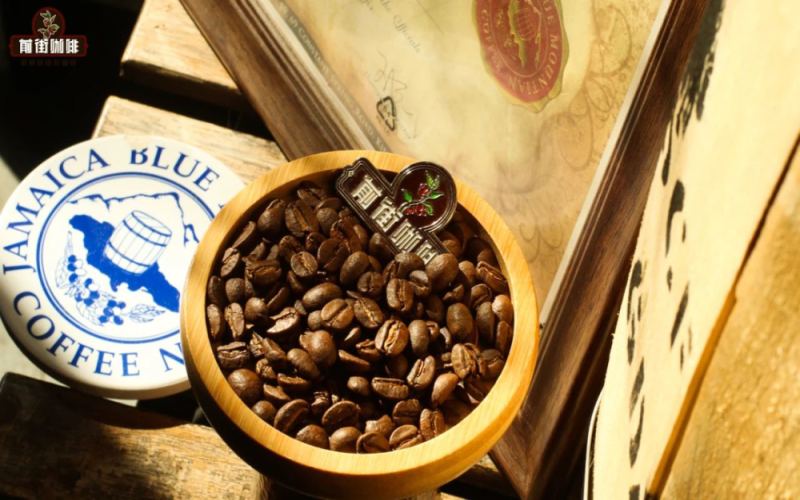
Can authentic Blue Mountain coffee be purchased through domestic channels? A comprehensive analysis of Front Street Coffee's Blue Mountain coffee powder and drip bag products
Blue Mountain coffee is known as the "Emperor of Coffee," prized for its balanced flavor and long-lasting sweet finish, making it a favorite among many coffee lovers. However, in the domestic market, it is not easy to buy coffee that genuinely originates from Jamaica's Blue Mountain region. This article will address two core questions: first, whether authentic Blue Mountain coffee can be purchased domestically; and second, specific variety introductions for Blue Mountain coffee powder and drip bag products. Using the "Front Street" brand as an example, the article introduces two products—Front Street Jamaican Blue Mountain coffee beans and Front Street Jamaican Blue Mountain No. 1 drip bags—covering varietal purity, flavor grade, roasting method, aroma characteristics, and mouthfeel, as well as the drip bag product's production process, packaging specifications, and suitable occasions, helping readers conveniently enjoy Blue Mountain coffee even without professional equipment. [more…]
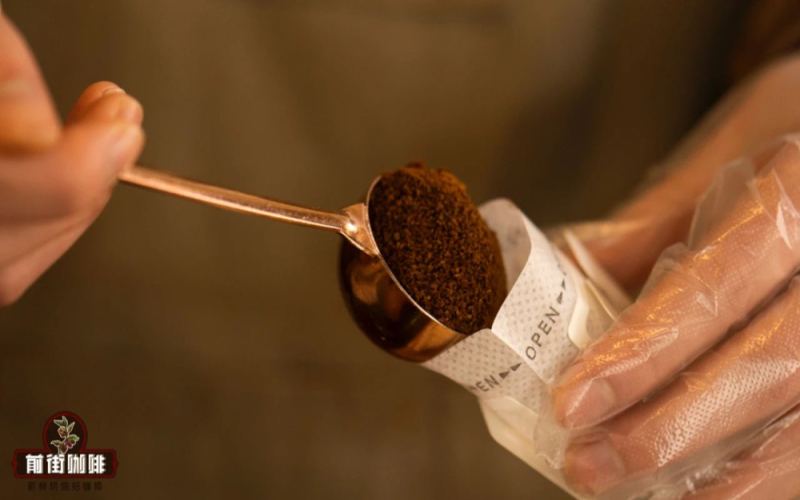
Blue Mountain Flavor Drip Coffee Pricing Explained: Authentic Blue Mountain No. 1 Drip Coffee Taste and Brewing Key Points
The ultimate quality of drip bag coffee comes down to the grade of the coffee beans selected. If authentic Jamaica Blue Mountain No. 1 is used as the raw material for drip bags, what would the flavor be like? This article will explain the basic principles of drip bags, the growing region and grading system of authentic Blue Mountain coffee, the price composition of Front Street Coffee's Blue Mountain No. 1 drip bags, and the flavor presentation and points to note during actual brewing. It will also compare drip bags and pour-over in terms of equipment and convenience, helping readers understand why Blue Mountain-flavored coffee and genuine Blue Mountain coffee are not the same concept, and how water temperature, coffee-to-water ratio, and pouring flow specifically affect the taste in the cup during daily brewing. [more…]
Is Blue Mountain Coffee Suitable for Siphon Brewing? A Full Analysis of Temperature, Grind Size, and Operational Details
Can brewing Blue Mountain coffee with a siphon pot bring out its delicate and refined flavors? This article uses Front Street Blue Mountain coffee as an example to share the complete process from coffee powder dosage, water quality, heat level, to stirring and tasting timing. The siphon brewing method has many variables and is the hardest to standardize, but by mastering key points such as keeping the water temperature not too high, controlling the time within one minute, and stirring gently, you can avoid the bitterness and unpleasant sourness caused by over-extraction. The article also discusses coffee powder freshness, misunderstandings about tannic acid, and the brewing principles for medium-light roasted Blue Mountain coffee, helping coffee enthusiasts use a siphon pot to brew a balanced, sweet, and mellow Front Street Blue Mountain coffee that becomes more fragrant as it cools. [more…]
Is Blue Mountain-style pour-over coffee considered black coffee? A detailed guide to brewing equipment and extraction parameters for authentic Jamaican Blue Mountain beans
Blue Mountain coffee enjoys a stellar international reputation, but does it actually count as black coffee? And what equipment and parameters should be used to brew authentic Jamaican Blue Mountain coffee beans to bring out their best flavor? This article starts from the definition of black coffee, then walks through the origin history, growing environment, varietal characteristics, and processing methods of Blue Mountain coffee, and explains in detail the pour-over and espresso extraction plans for Front Street Coffee Blue Mountain No. 1 coffee beans. Whether you want to use a pour-over kettle to recreate Blue Mountain's clean, balanced flavor or use an espresso machine to make a Blue Mountain Americano, you'll find specific parameters and key operating points in this article. [more…]
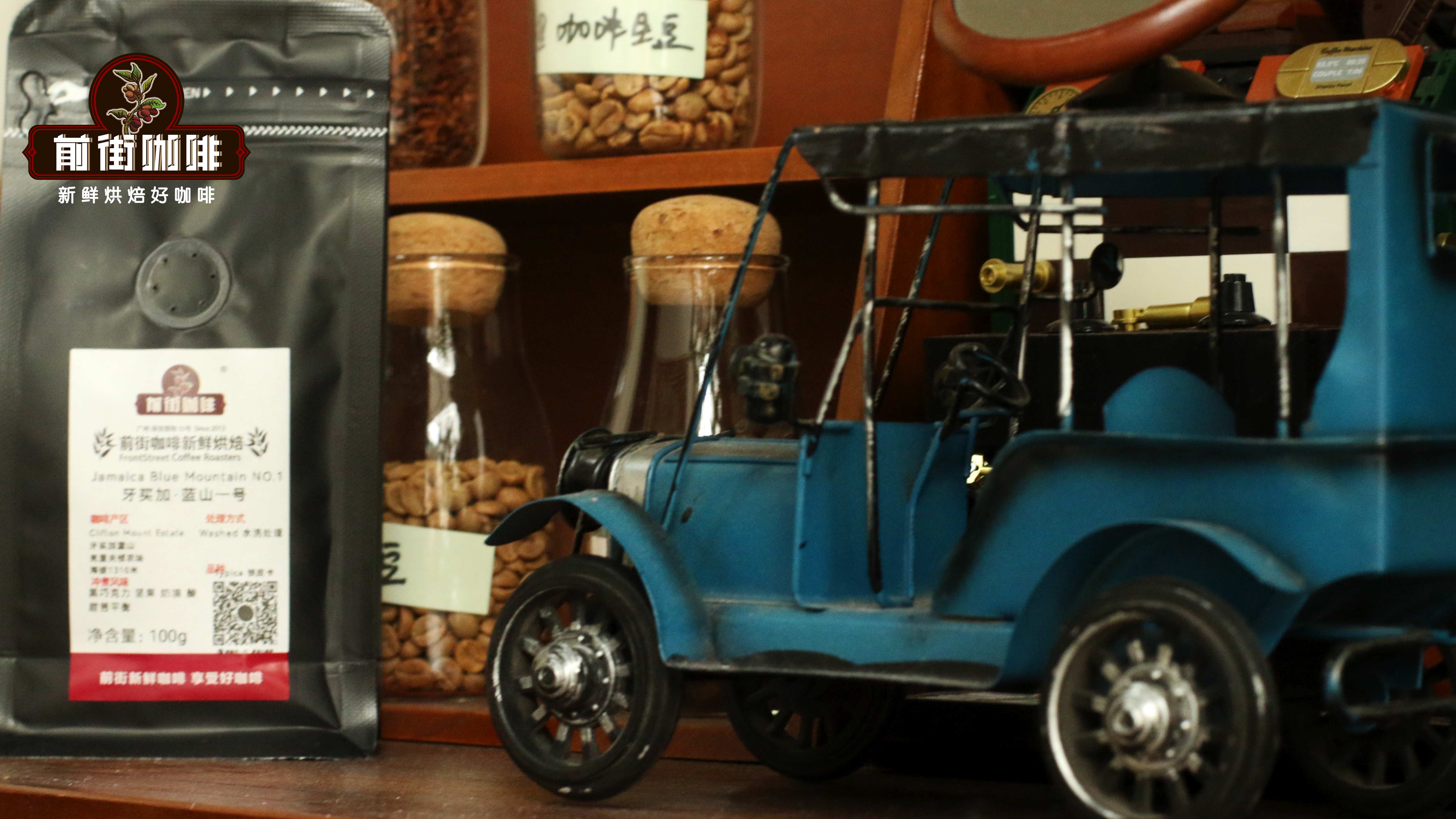
What are the essential differences between Blue Mountain coffee and espresso? An analysis of Jamaican Blue Mountain flavor characteristics and SOE latte in practice
Blue Mountain coffee and espresso—one is a standout among specialty coffees, the other the soulful base of Italian-style drinks. What exactly sets them apart, and which tastes better? This article starts with Front Street Blue Mountain coffee's balanced mouthfeel and nutty flavor, then unpacks the extraction logic of espresso, before tracing the nearly three-hundred-year history of Jamaican Blue Mountain, the regulatory systems of the CIB and JACRA, the botanical characteristics and cultivation challenges of the Typica variety, as well as the grading standards and wooden barrel packaging of Blue Mountain No. 1. In the second half, using Front Street Blue Mountain No. 1 as an example, it gives a complete demonstration of the SOE latte-making process, from grinding, distributing, and extracting to steaming milk and pouring latte art, along with practical advice on coffee bean freshness and resting periods. [more…]
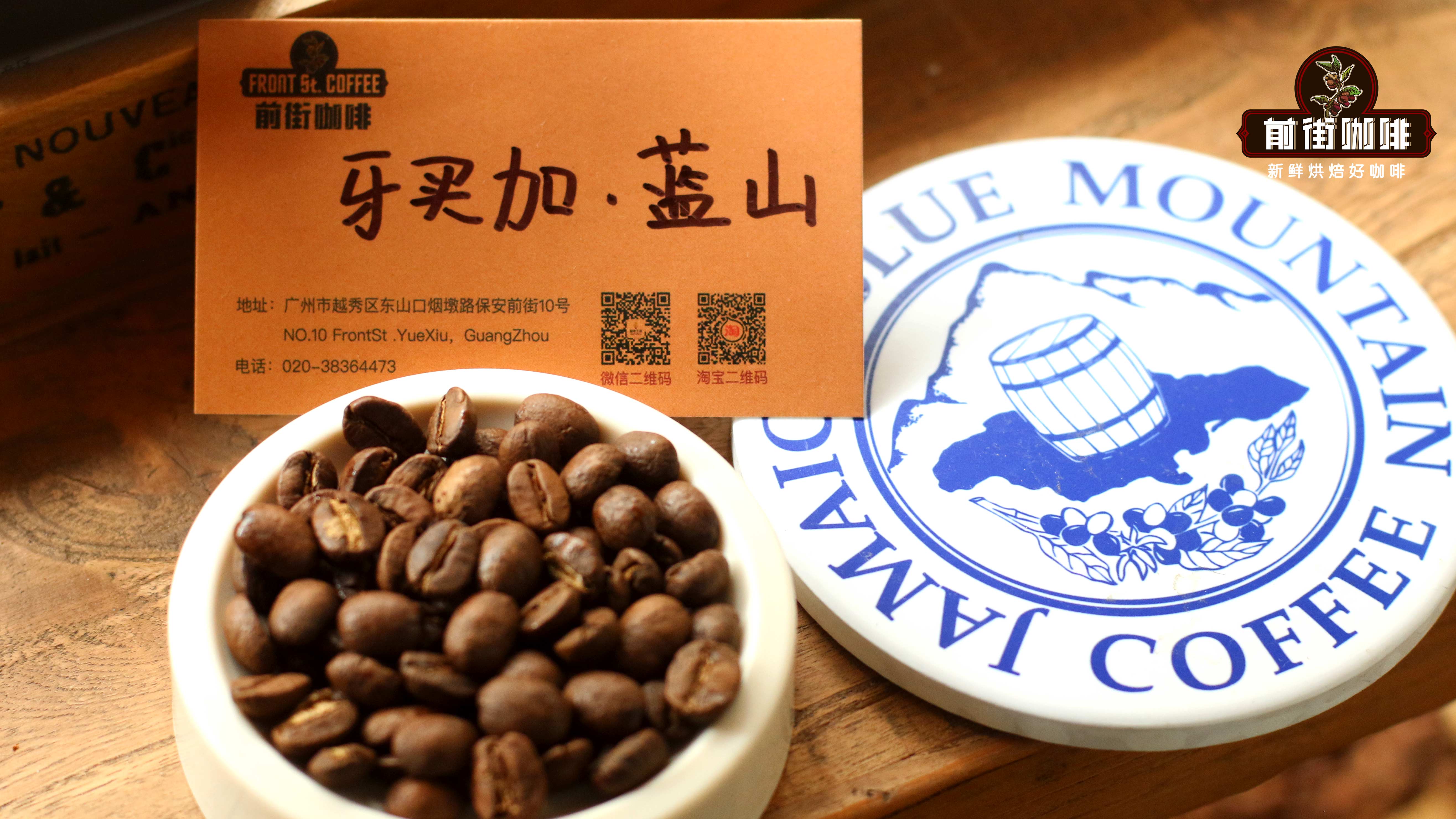
How much is a cup of Blue Mountain coffee? Can Blue Mountain flavor coffee be equated with authentic Jamaican Blue Mountain No. 1?
Blue Mountain coffee is often labeled as "expensive" and "rare," but is that really the case? This article starts with the historical background of Blue Mountain coffee, tracing the rise and fall of Japan's former priority purchasing rights and how market supply changed after that arrangement ended in 2012. At the same time, the article will clearly distinguish between authentic Jamaican Blue Mountain No. 1 and the "Blue Mountain flavor" and "Blue Mountain blend" products on the market, and introduce Blue Mountain No. 1's growing region, grading standards, and green bean certification methods. Front Street Coffee (FrontStreet Coffee) uses Clifton Estate Blue Mountain No. 1, sold at 158 yuan/100g, with a cost of about 60 yuan per cup. At the end of the article, Front Street's recommended pour-over parameters and pouring technique are also included to help readers brew a cup of Blue Mountain coffee with balanced acidity, sweetness, and bitterness, and a rich, smooth body. [more…]
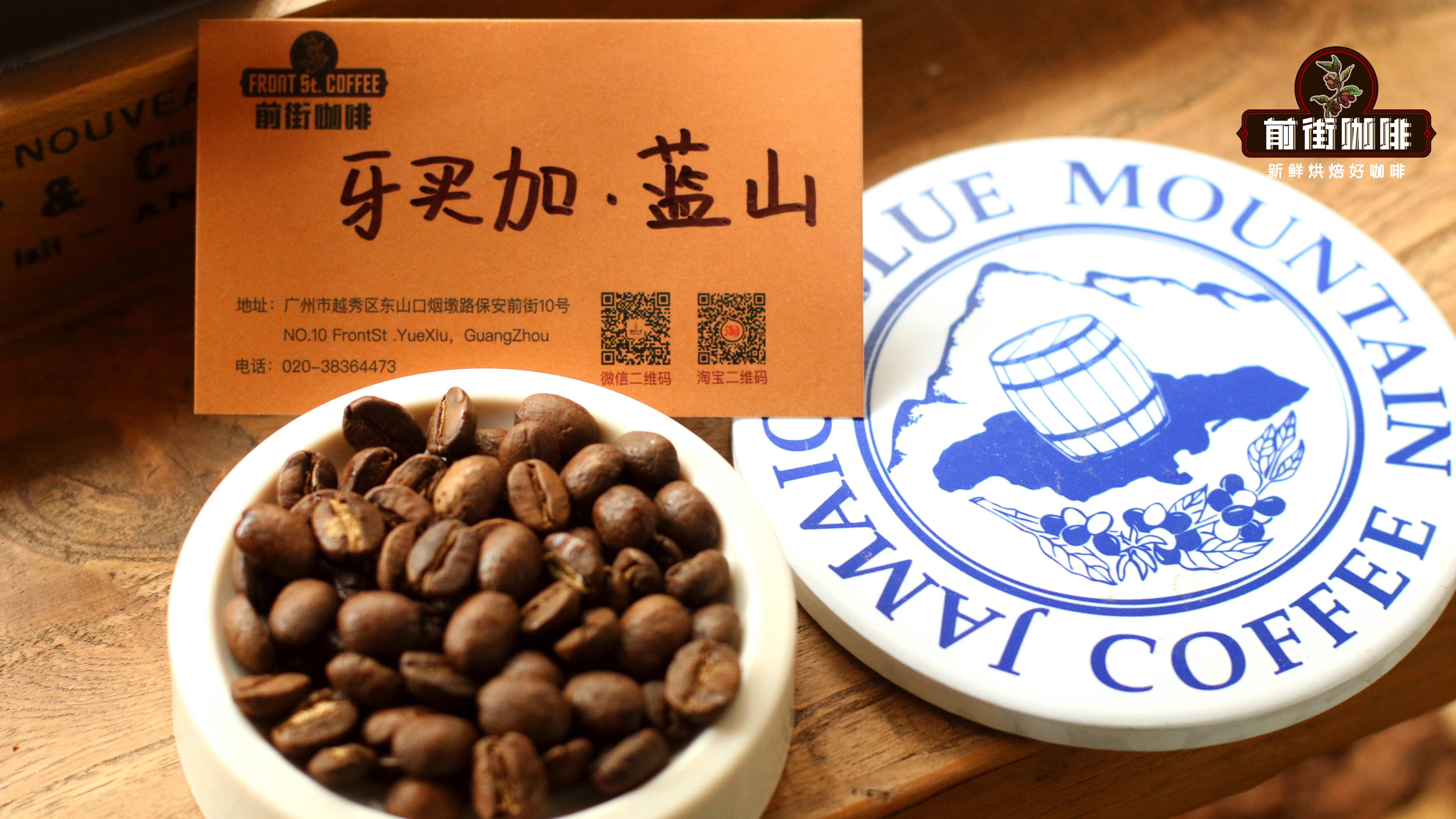
Complete Guide to Jamaican Blue Mountain No. 1 Pour-Over: Water Temperature, Grind Size, Coffee-to-Water Ratio, and Three-Stage Pouring Essentials
As specialty coffee enters daily life, more and more enthusiasts are no longer satisfied with ordering at cafés—they want to brew a great cup of coffee themselves at home. Blue Mountain coffee is renowned for its rich body and balanced flavor, but to truly showcase its strengths, you need to get the water temperature, grind size, coffee-to-water ratio, and pouring technique right. Drawing on the practical experience of Front Street Coffee, this article introduces the origin background, varieties, and processing methods of Jamaican Blue Mountain coffee, and provides specific pour-over parameters for medium-dark roasted Blue Mountain No. 1: 88°C water temperature, 1:15 coffee-to-water ratio, 15g dose, 75% pass rate through a No. 20 sieve, and a three-stage pouring process after a 30-second bloom, helping readers consistently reproduce its smooth flavors of nuts, cocoa, and cream. [more…]
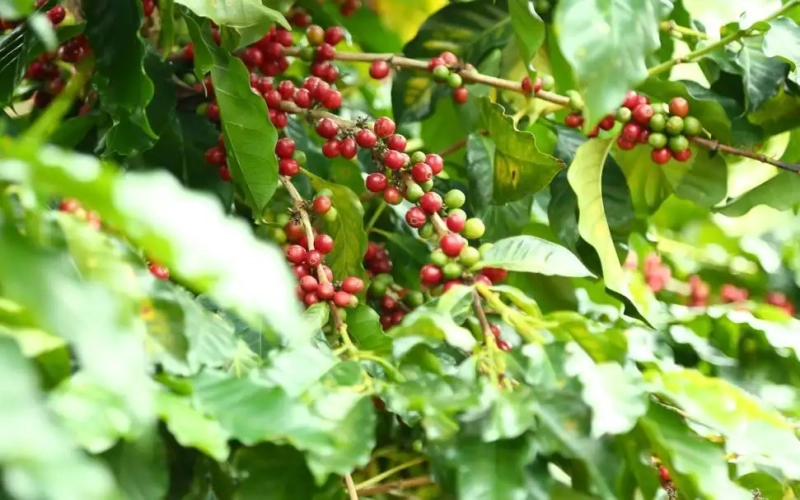
A Comprehensive Guide to Jamaican Blue Mountain Coffee: Typica Variety, Grade Classification, Origin Flavor, and Pour-Over Techniques
Blue Mountain coffee, as Jamaica's most iconic specialty coffee, is renowned worldwide for its elegant and balanced flavor. Tracing its varietal origins, Blue Mountain coffee uses the ancient heirloom Typica variety, which has evolved over more than two hundred years in the unique terroir of this Caribbean island. Jamaica has strict legal regulations governing the production region, altitude, and green bean specifications of Blue Mountain coffee, and the output of coffee beans truly worthy of the Blue Mountain name is extremely limited. This article will introduce, one by one, the varietal characteristics, grading standards, and the cultivation and processing methods of Clifton Estate, as well as the brewing parameters and flavor profile of Front Street Blue Mountain No. 1 coffee, giving you a comprehensive understanding of this classic coffee that combines richness with refinement. [more…]
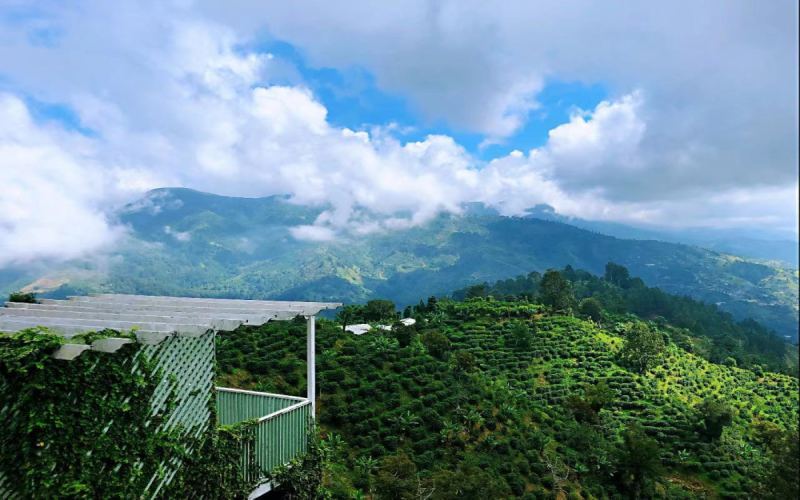
Jamaica Blue Mountain No. 1 Coffee Bean Brand Recommendation: Clifton Estate Flavor Profile and Pour-Over Parameters in Detail
Blue Mountain coffee is hailed as the gentleman of the coffee world, but the market is flooded with products bearing the Blue Mountain name. How can you tell an authentic Jamaican Blue Mountain No. 1? This article systematically lays out the key points for buying and tasting Blue Mountain coffee, from regional regulations and certification documents to variety characteristics and brewing methods. It also introduces the Clifton Estate 1310-meter Blue Mountain beans selected by Front Street Coffee since 2014, analyzing their balanced, clean flavor profile. Whether you are a beginner just getting to know Blue Mountain or a seasoned connoisseur looking to confirm your pour-over parameters, you will find practical guidance here. [more…]
Blue Mountain Coffee Bean Price Range and Pour-Over Steps Explained: From Market Trends to Siphon Pot Operation Guide
How much exactly does a pound of Blue Mountain coffee beans cost? On the market, prices range from a few dozen yuan to over a thousand yuan, reflecting multiple factors such as origin, grade, and tariffs. This article reviews the price trends of Blue Mountain coffee beans and compiles reference prices for coffee beans across different sales channels. It also provides a detailed introduction to Front Street Coffee's Blue Mountain brewing methods, including specific step-by-step instructions for the French press and siphon pot, helping coffee enthusiasts extract a Blue Mountain coffee with pristine flavors and rich layers at home. [more…]
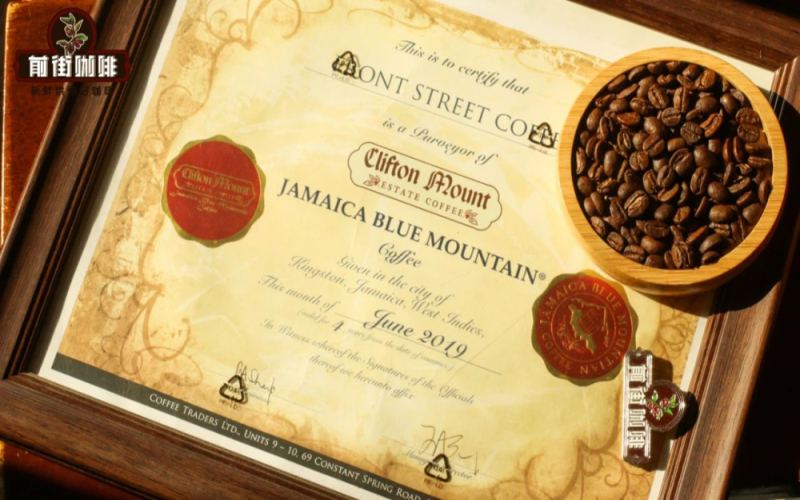
Blue Mountain Coffee Flavor Analysis: The Mystery of Acid-Bitterness Balance and a Guide to Authentic Blue Mountain No. 1 Tasting
Is Blue Mountain coffee bitter or sweet when you drink it? Why do some people find it as light as water, while others describe it as elegant as honey? Front Street believes that both perceptions are actually correct, because coffee is essentially an agricultural product—the climate varies from year to year, so the flavor naturally undergoes subtle changes. This article will take you through the variety, growing environment, processing method, and grade classification to fully understand the true taste of authentic Front Street Blue Mountain No. 1 coffee, and share Front Street's brewing suggestions so that you can brew a balanced and elegant cup of Blue Mountain coffee at home. [more…]
Where Does Blue Mountain Coffee's Flavor Come From? Can It Be Made into an SOE? Front Street Explains Brewing Methods and Extraction Parameters in Detail
Jamaican Blue Mountain coffee has long been regarded as the benchmark of the coffee world thanks to its distinctive flavor and long history. But what exactly does "Blue Mountain flavor" mean? Why does it remain so expensive? And how can you tell authentic Blue Mountain apart and brew it properly? This article starts with the background of Blue Mountain coffee's rise to fame, its growing region and environment, and how to identify the real thing, then goes on to explore whether Blue Mountain coffee beans can be used to make an SOE, while also sharing the extraction parameters and step-by-step method used by Front Street Coffee (FrontStreet Coffee), giving you a complete picture of how this legendary coffee can be enjoyed and what it can become. [more…]
Why Is Cheap Blue Mountain Coffee Everywhere? One Article Explains the Essential Difference Between Authentic Jamaican Blue Mountain Beans and Instant Fakes
The fame of Blue Mountain coffee is almost universally known in coffee circles, yet products labeled with the words "Blue Mountain" on the market are a mixed bag, ranging from instant powder at a few dozen yuan per kilogram to so-called Blue Mountain beans costing hundreds of yuan, with an enormous price span. Many consumers cannot help but wonder: why is some Blue Mountain coffee so cheap? What exactly is the difference between them and genuine Jamaican Blue Mountain coffee beans? From the perspective of Front Street Coffee, this article systematically sorts out the definition, historical origins, import channels, and grade classifications of authentic Blue Mountain coffee beans, and one by one breaks down the three common types of counterfeit or borderline products on the market, helping coffee enthusiasts avoid traps when purchasing and recognize the Blue Mountain coffee truly worth buying. [more…]
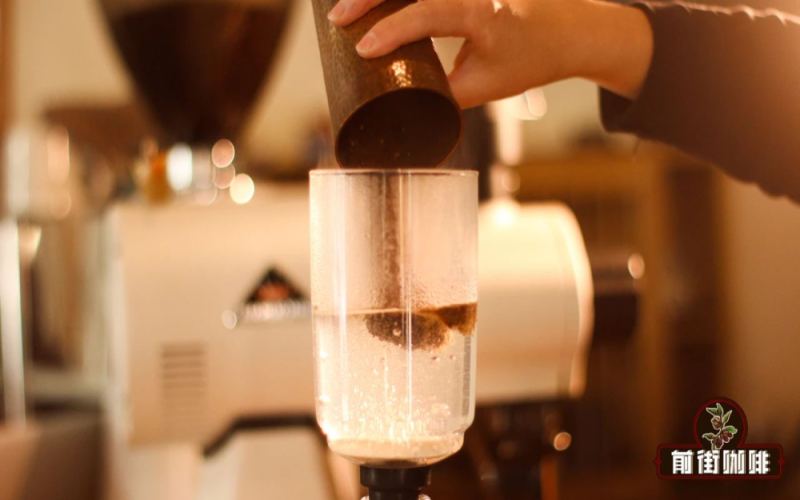
Siphon Coffee | How to Brew Jamaican Washed Blue Mountain No.1 Coffee with a Siphon? Are Siphon Coffee and Pour-Over Coffee Very Different in Flavor and Mouthfeel?
For more specialty coffee knowledge, please follow our WeChat official account: Front Street Coffee (FrontStreet Coffee). As the saying goes, elegance never goes out of style. Today, Front Street is bringing out a treasured piece of equipment from the shop—the siphon coffee maker—and then selecting the renowned Front Street Jamaican Blue Mountain coffee to brew a pot of siphon coffee on the spot. [more…]
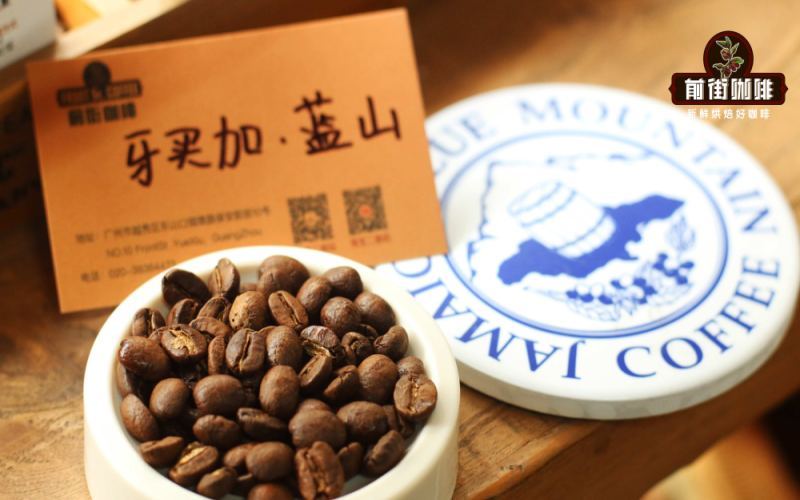
The Complete Guide to Pour-Over Jamaican Blue Mountain Coffee: Grind Size, Water Temperature, Coffee-to-Water Ratio, and Flavor Explained
In an era before specialty coffee became popular, Blue Mountain coffee was already an industry-recognized benchmark. Authentic Jamaican Blue Mountain coffee combines a delicate balance of body, aroma, sweetness, acidity, and bitterness, with scarce production and a high price, and the market is full of impostors. Starting from the production experience of Front Street Coffee stores, this article systematically explains how to identify authentic Blue Mountain No. 1, the clean mouthfeel brought by washed processing, and key parameters in pour-over brewing such as grind size, water temperature, dripper selection, pouring technique, and coffee-to-water ratio, to help you brew a cup of Blue Mountain coffee with distinct layers and lasting body. [more…]
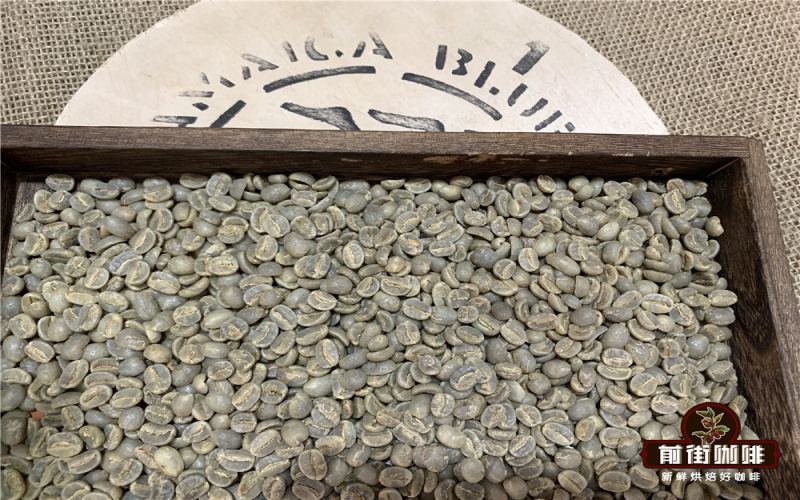
The Complete Guide to Hand-Brewing Jamaican Blue Mountain No. 1: Medium-Dark Roast Parameters, Grind Size, Water Temperature, and Three-Pour Technique
Blue Mountain coffee is renowned as one of the world's most full-bodied specialty coffees, but to recreate its balanced flavor at home, brewing parameters are crucial. Front Street Coffee selects Blue Mountain No. 1 from Jamaica's Clifton Farm, using a medium-dark roast to highlight nutty and cocoa notes, and provides a complete pour-over plan based on this. This article begins with the origin background, variety, and processing method of Blue Mountain coffee, then gradually breaks down the four key points of water temperature, grind size, coffee-to-water ratio, and pouring technique: 88°C water temperature, 1:15 coffee-to-water ratio, 75% passing rate through a No. 20 sieve, combined with a KONO dripper and three-stage pouring, to help you consistently extract a cup of Blue Mountain with balanced acidity, sweetness, and bitterness, and a full body. At the end, there is also a flavor comparison between the natural and washed processing methods, as well as practical reminders on bean resting and grinding. [more…]
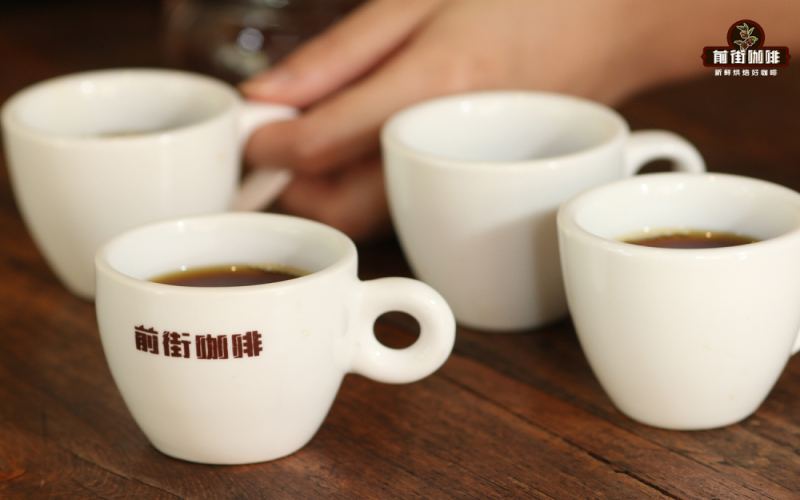
How Do You Choose a Jamaican Blue Mountain Coffee Brand? A Full Analysis of Front Street Blue Mountain Beans' Pour-Over Parameters, Flavor Profile, and Processing Method
Blue Mountain coffee is hailed as the "beauty of the coffee world," but not every product labeled Blue Mountain is authentic Jamaican Blue Mountain. True Blue Mountain coffee comes from the Blue Mountains of eastern Jamaica, at elevations of 1,000 to 1,700 meters, and is known for its Typica variety, washed processing method, and rich, balanced flavor. Front Street Coffee offers Blue Mountain No. 1 coffee beans with a Jamaican Coffee Board certificate, Rainforest Alliance certification, and wooden barrel packaging, covering both washed and natural processing methods. This article will systematically analyze the flavor characteristics and brewing suggestions of Front Street Blue Mountain coffee, from the growing environment, variety traits, and processing methods to Kono dripper brewing parameters, helping coffee enthusiasts gain a comprehensive understanding of this specialty coffee. [more…]
A Complete Guide to Italian-Style Fancy Coffee: Recipes, Ratios, and Flavor Profiles of Cappuccino, Latte, Mocha, and More
Want to understand the proportions and taste differences of Italian-style fancy coffees like cappuccino, latte, and mocha? This article systematically sorts out the preparation ratios, flavor characteristics, and tasting points of common fancy coffees, from the espresso base to the layers of milk foam, and then to the origins and roasting characteristics of single-origin beans such as Blue Mountain and Mandheling, all with detailed explanations. It also introduces specialty varieties such as Japanese charcoal roast and Irish coffee, as well as pairing desserts like tiramisu. Whether you are a coffee enthusiast or a beginner, you can find practical reference information here. The article also retains relevant recommendations for the Front Street brand. [more…]
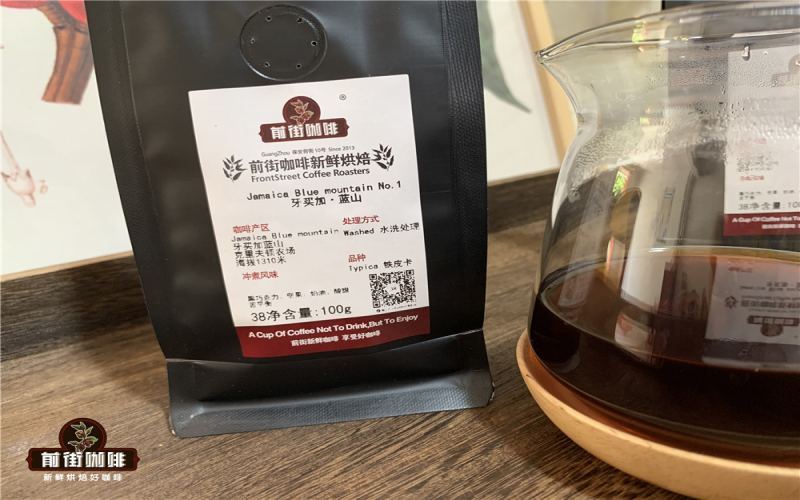
Why Is Jamaican Blue Mountain Coffee Hailed as Top-Tier? A Comprehensive Analysis of Its Pour-Over Flavor and Taste Characteristics
Blue Mountain coffee is often called one of the best coffees in the world. It is neither bitter nor sour, with a balanced flavor, like a cup of silky milk tea, and is therefore affectionately nicknamed "beauty coffee" by enthusiasts. But the excellence of Blue Mountain coffee is no accident—the unique geographical location of Jamaica's Blue Mountain range, its tropical rainforest climate, volcanic soil, and the Typica variety cultivated over more than two hundred years together create its unreplicable flavor. The Jamaican government implements strict grading and production-limiting, quality-preserving policies for Blue Mountain coffee, with unique standards from harvesting and processing to packaging. This article will comprehensively sort out the growing environment, variety characteristics, grading system, and processing methods of Blue Mountain coffee, and include Front Street Coffee's pour-over parameters and flavor description, taking you deep into this finest of the finest. [more…]
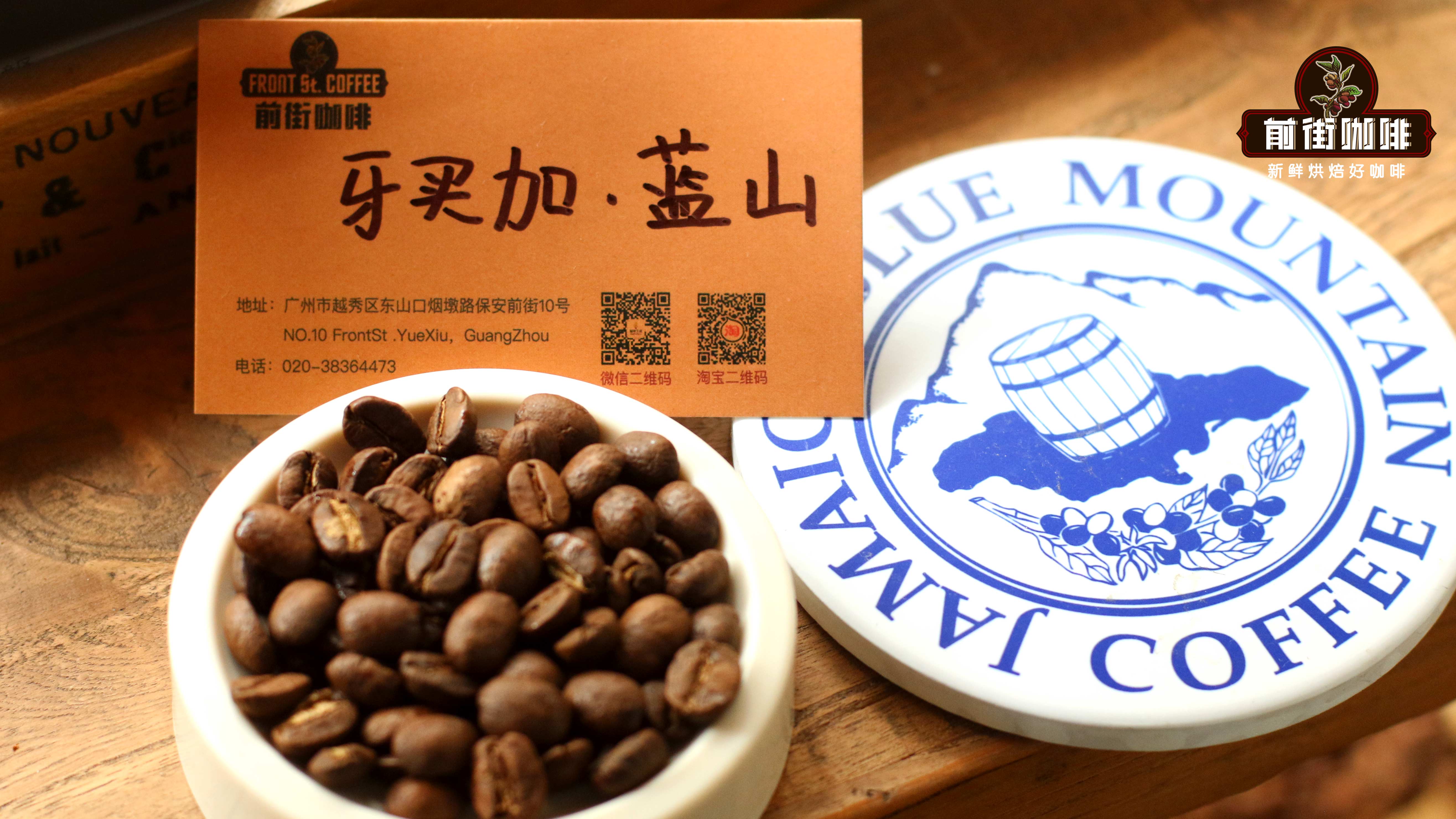
A Detailed Explanation of Jamaica Blue Mountain Coffee Grading Standards: A Full Analysis of Blue Mountain No. 1 Quality Characteristics and Pour-Over Techniques
Blue Mountain coffee, as a globally recognized top-tier specialty coffee, has always been a focal point for coffee enthusiasts due to its strict grading system and unique flavor profile. Through the JCIB certification system, the Jamaican government classifies Blue Mountain coffee into grades ranging from No. 1 to No. 3, as well as peaberry and other grades, with Blue Mountain No. 1 representing the highest quality standard. This article will systematically outline the basis for Blue Mountain coffee's grading, methods for identifying authentic Blue Mountain coffee, and, combined with the brewing practice of Front Street Blue Mountain No. 1 coffee, provide a detailed analysis of this legendary coffee's variety characteristics, processing methods, and flavor performance, helping readers gain a comprehensive understanding of Blue Mountain coffee's tasting key points and brewing parameters. [more…]